
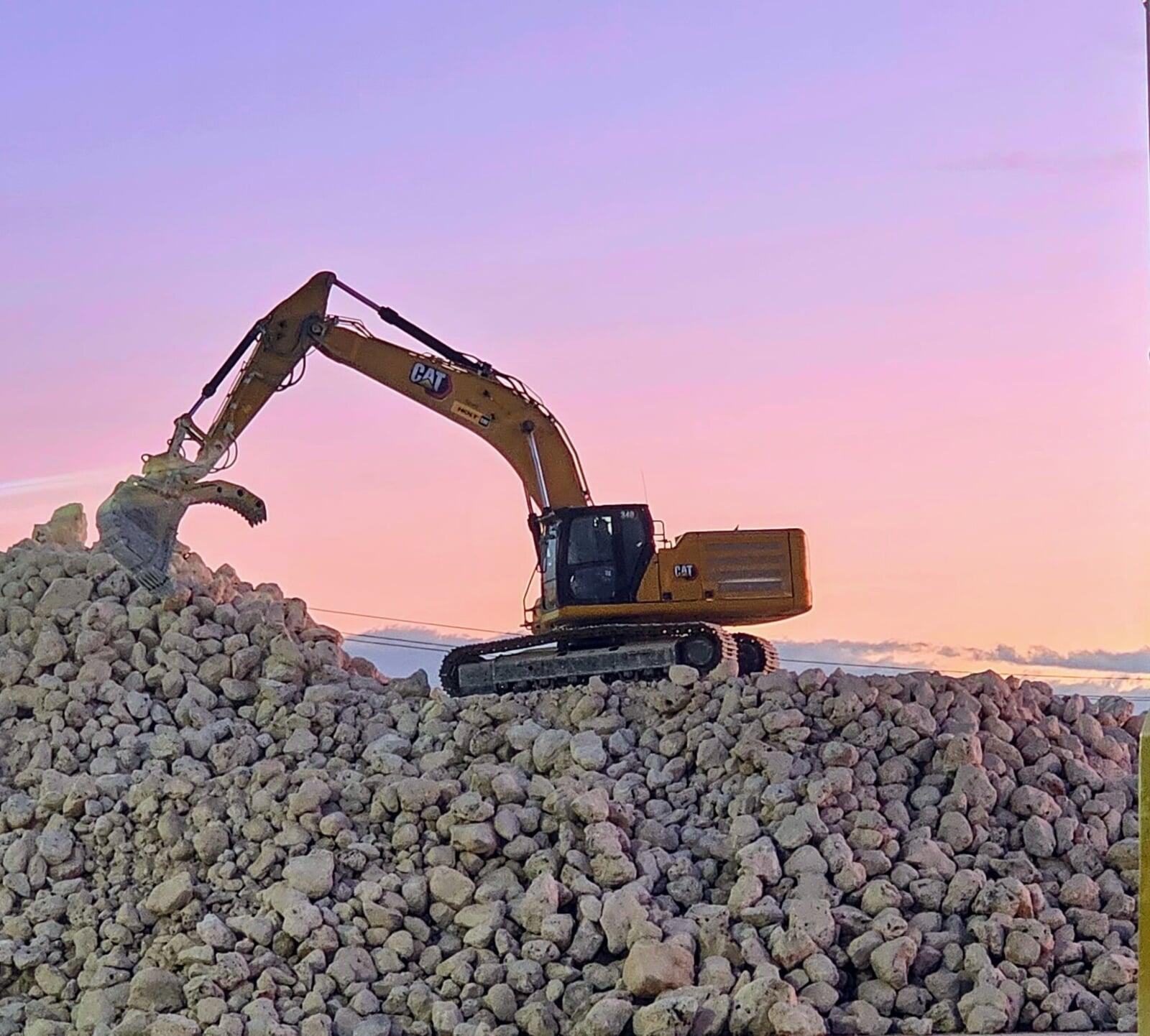
About Gulf Coast Rip Rap
Gulf Coast Rip Rap is operated by Dirt Rocks to support coastal and infrastructure projects across the Gulf Coast.
Rip rap is sourced from approved quarries and delivered directly to project sites based on specifications, schedule, and location.
To support accurate material selection and coordination, the following overview outlines how rip rap is commonly specified and used across projects.
Trusted By




What is Rip Rap?
Rip rap consists of large, angular rock used to protect shorelines, slopes, channels, and structures from erosion caused by water movement. Its angular shape allows stones to interlock, forming a stable and durable layer capable of performing under high-energy conditions.
Rip rap is most commonly produced from granite or limestone, selected for strength, durability, and resistance to weathering.
Rip Rap Gradation Framework
Rip rap is specified by gradation, which defines the range and distribution of stone sizes within a material mix. Gradation requirements are established by the project specifications and determine how the material performs under hydraulic, structural, and environmental loading.
Depending on the governing agency or engineer, gradation may be defined using different criteria, including percent-passing values, stone size ranges, or maximum allowable stone size (Dmax). No single metric applies to all projects.
In engineering and material discussions, D50 is often referenced as a descriptive benchmark. D50 refers to the median stone size—meaning half the material is larger and half is smaller—but it is one of several tools used to describe gradation, not a standalone classification or acceptance standard.
Gradation is critical to performance, as it affects interlock, stability, void structure, and resistance to hydraulic forces. Final size selection depends on flow velocity, wave action, slope angle, and project-specific loading conditions, and is ultimately governed by project specifications and the approving agency or engineer of record.
| Specification Type | How Sizing is Defined | Typical References | Common Applications |
|---|---|---|---|
| Engineering / Design Specs | D-based sizing (often D50) with defined minimum and maximum stone ranges | Project plans, hydraulic modeling, USACE, FHWA, engineer-of-record specs | Coastal protection, shoreline stabilization, riverbanks, flood control, marine and infrastructure projects |
| DOT Specifications | Defined by state DOT material classes or gradation bands, not D50 alone | TxDOT, LADOTD, FDOT, ALDOT material specifications | Roadways, bridge slopes, embankments, transportation infrastructure |
| Contractor / Project-Specific | May reference either D50 or DOT class, depending on governing agency | Bid documents, special provisions, project manuals | Mixed-use civil and infrastructure projects |
*We coordinate material to the governing specification. Final acceptance is determined by the approving agency or engineer of record, and material is sourced accordingly.
Types Of Rip Rap Mix
The following mix types are commonly referenced depending on hydraulic, environmental, and project requirements.
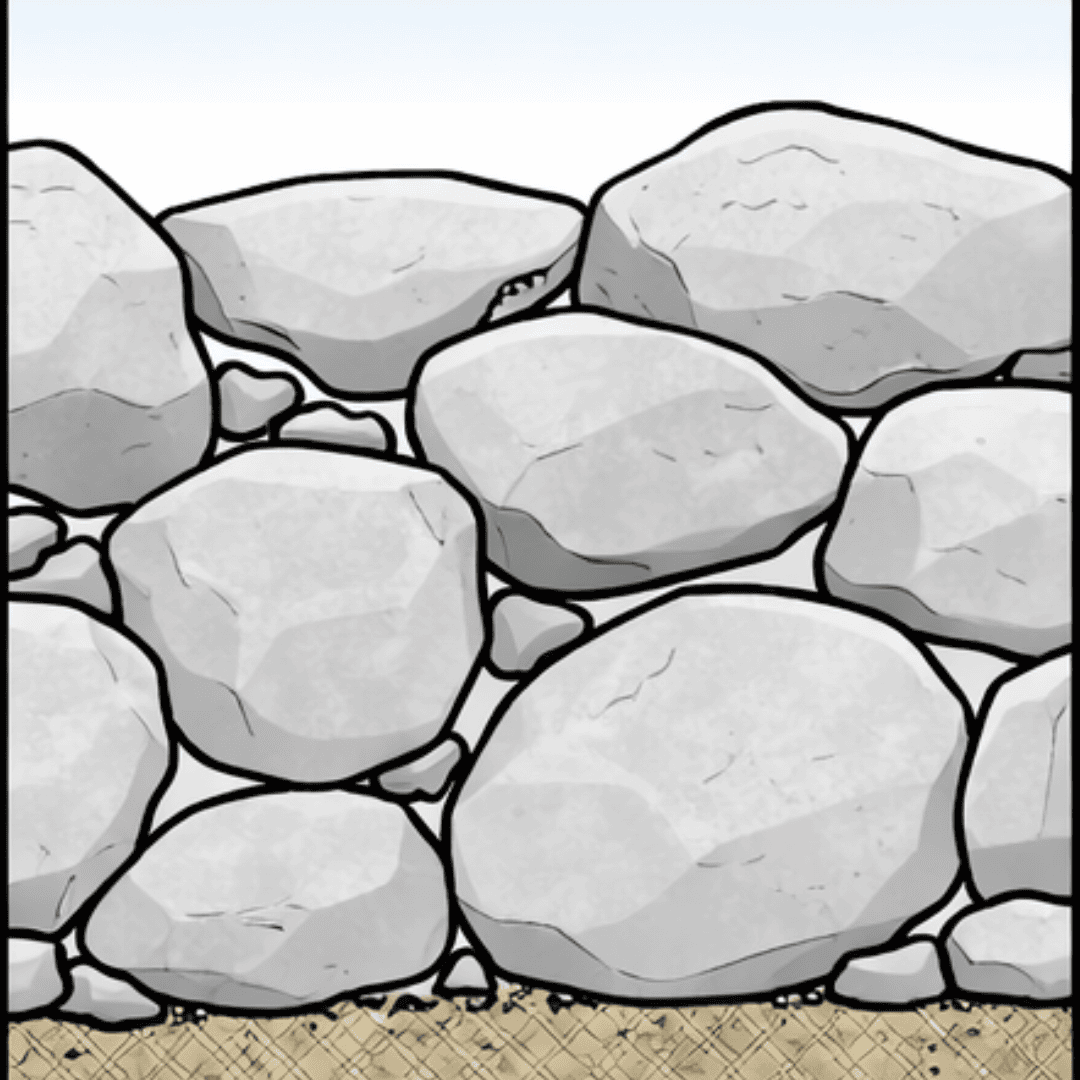
Conventional Rip Rap
Clean, angular stone with minimal fines
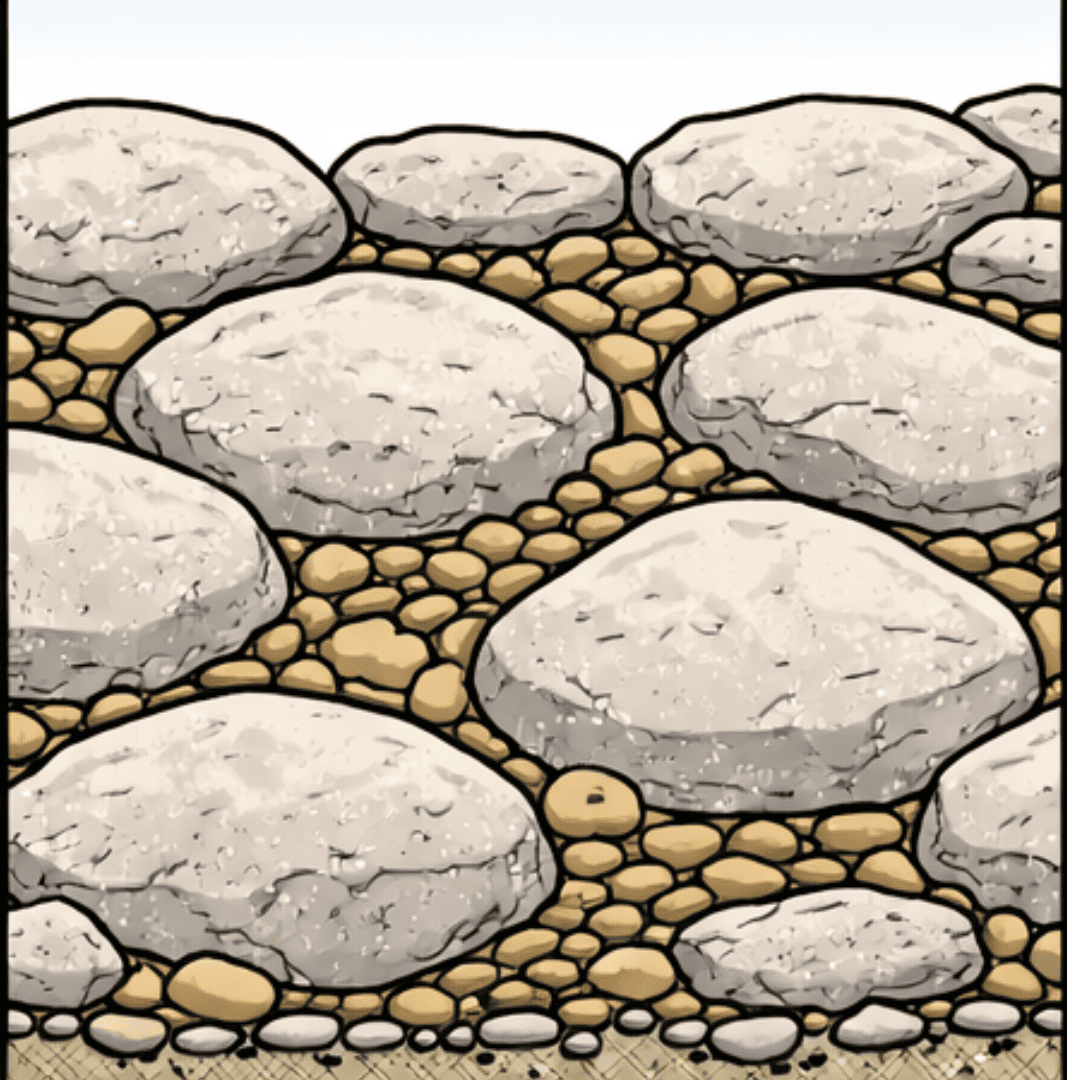
Soil Rip Rap Mix
~2/3 rip rap and 1/3 soil by volume
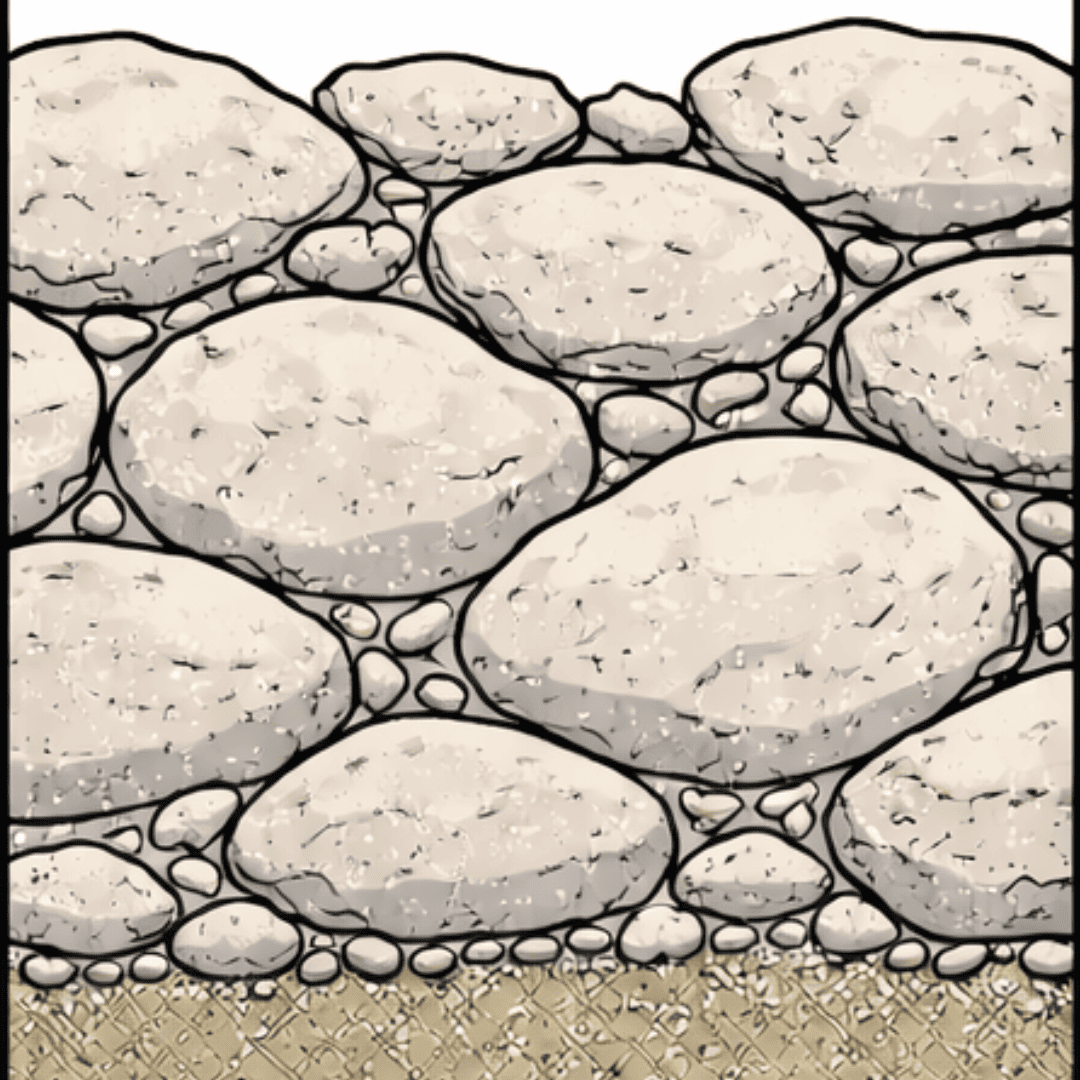
Void-Filled (VF) Rip Rap
Rip rap, gravel, cobble, sand, and soil to emulate natural river systems
Specifications & Compliance
Rip Rap is sourced and coordinated to meet project and agency specifications. Material is supplied in accordance with engineering design requirements or applicable DOT standards.
Material is supplied to specification, not by generic size. Gradation, stone quality, and acceptance criteria are governed by the plans and approving authority.
Supported specifications include:
Engineer-defined rip rap gradations (D-based sizing or specified ranges)
DOT-classified rip rap (TxDOT, LADOTD, FDOT, ALDOT, as applicable)
Common rip rap classes and size ranges referenced in project plans

Sourcing & Logistics Coordination
Rip rap is sourced from approved regional quarries based on project requirements and availability. Transportation is coordinated directly to project sites using rail, truck, or barge, depending on location, volume, and schedule.
Dirt Rocks handles material coordination and transport planning to align sourcing and delivery with project timelines.
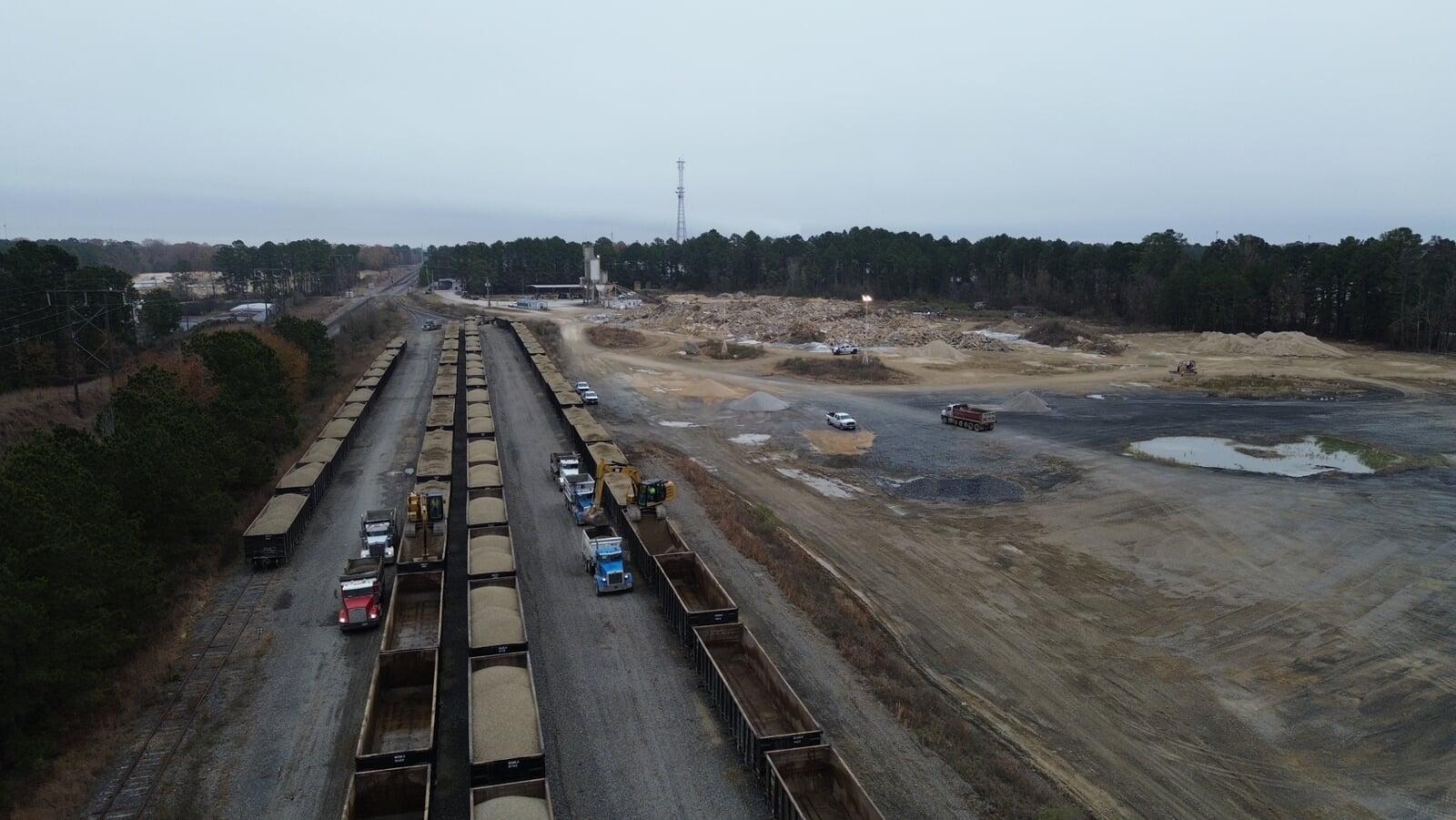
Train
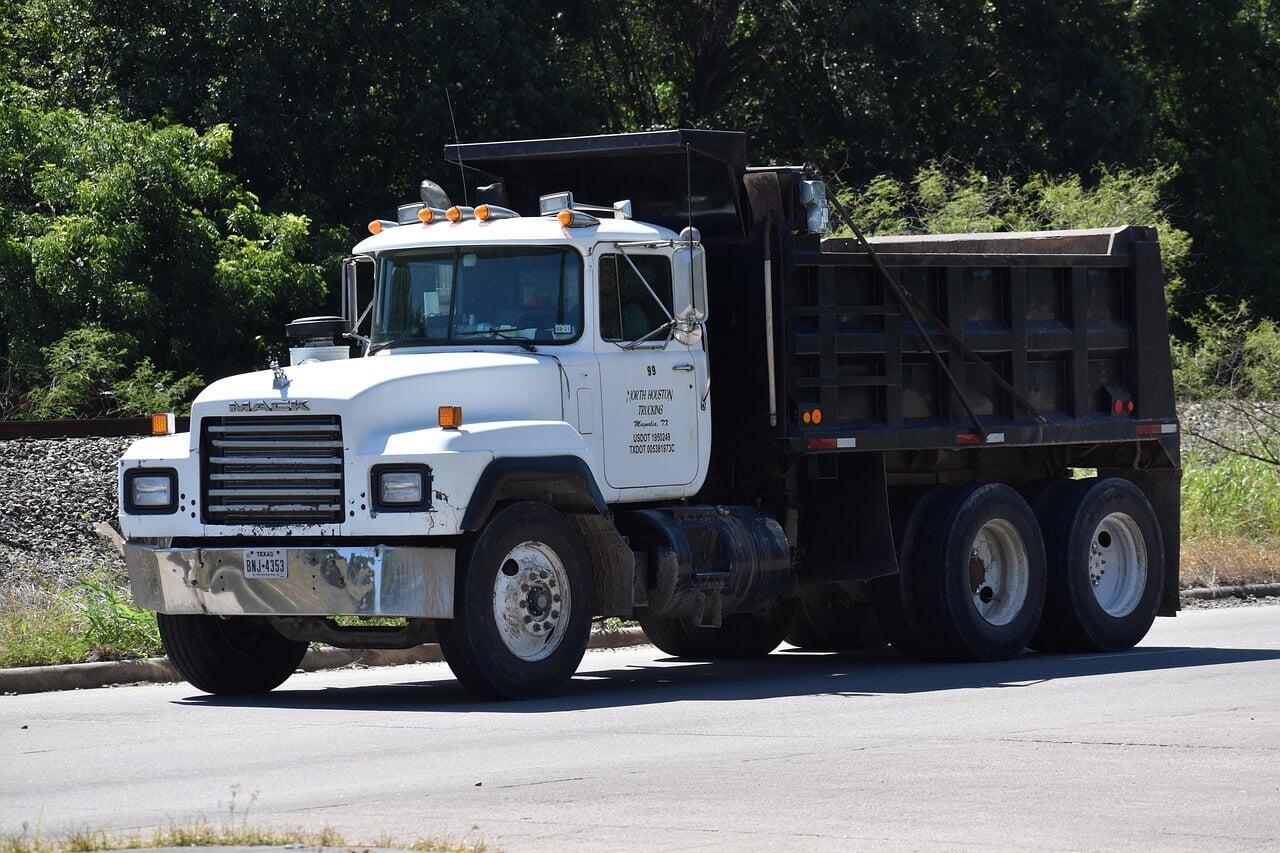
Truck
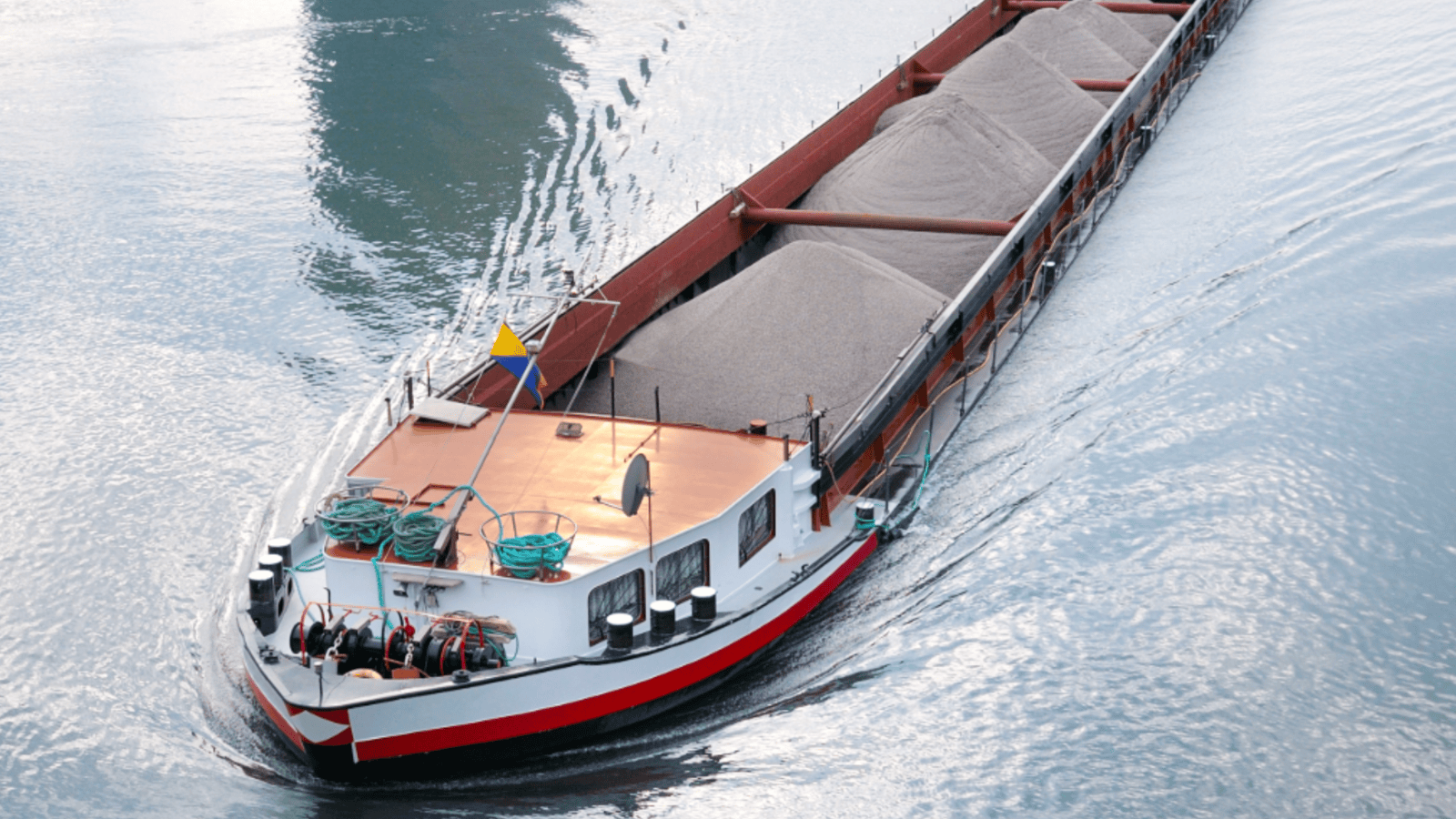
Barge
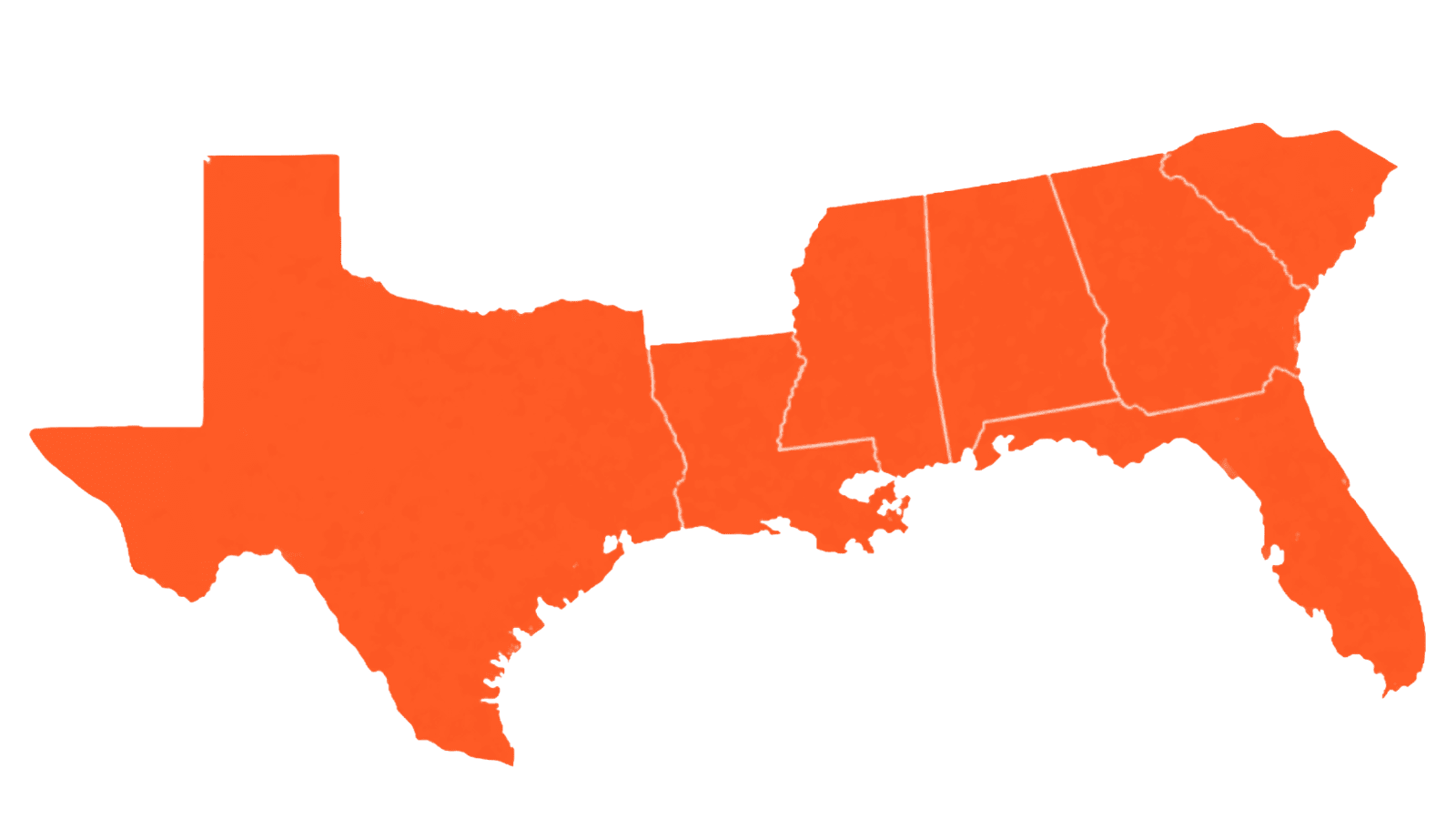
Gulf Coast Service Area
Gulf Coast Rip Rap supports coastal and infrastructure projects across the Gulf Coast region.
Rather than operating from a single location, we source rip rap from trusted quarries and coordinate transportation directly to project sites. Material selection, sourcing, and delivery are tailored to each project's specifications, schedule, and location.
Service coverage includes:
Texas
Louisiana
Alabama
Florida
Get in touch with us
Need Spec-Compliant Rip Rap for Your Project?
Contact us to discuss rip rap availability and logistics for your project.